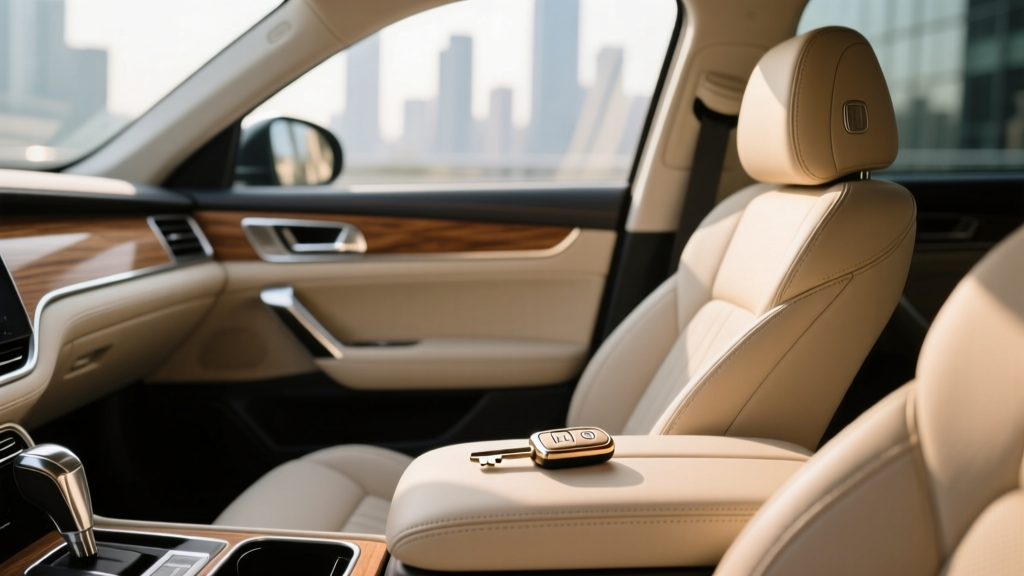
Car Interior Compatibility Stories: Share Yours
Compatibility Questions Stories: Tell Your Tale
If you?ve spent more than five minutes in any car interior group, forum thread, or late-night comment section, you already know the truth: ?Will it fit?? is never just one question. It?s a whole conversation?sometimes a friendly one, sometimes a spicy one?and usually it starts with a photo of a center console, a part number, and a hopeful ?Anyone tried this??
We?ve all been there. Maybe you?re eyeing seat covers that look perfect? until someone says, ?Yeah, but do you have side airbags?? Or you want to swap in a steering wheel from a higher trim and suddenly we?re talking clocksprings, buttons, and whether that one connector changed after the mid-cycle refresh. Compatibility questions have a way of turning into stories?because every interior build is personal, and every ?it fits? comes with an asterisk.
So let?s make this a proper community hangout: share the wins, the near-misses, and the ?why did I think that would work?? moments. Below are a few common compatibility approaches we see in our world, along with the pros, cons, and who each one tends to work best for. As you read, think about your own ?compatibility tale.?
1) The OEM Purist: ?If it didn?t come from the factory, I?m suspicious.?
Key characteristics: Matching part numbers, trim codes, model-year specifics, factory fit-and-finish above all.
Pros:
- Typically the cleanest fit and most ?meant to be there? look
- Materials and textures usually match the rest of the cabin
- Less guesswork on mounting points and tolerances
Cons:
- Can get pricey, fast (especially for premium trim take-offs)
- Still not always plug-and-play across years/trims
- Availability can be a hunt: salvage yards, auctions, and ?unicorn? listings
Works best for: Anyone building a factory-plus interior?OEM+ vibes, minimal drama, and a strong preference for parts that look like they belong.
2) The Aftermarket Adventurer: ?If it?s close, I can make it work.?
Key characteristics: Universal seat covers, custom floor mats, head units, ambient lighting kits, ?fits most? accessories.
Pros:
- Huge variety of styles, colors, and features
- Often more budget-friendly than OEM upgrades
- Great for personalization?our interiors, our rules
Cons:
- ?Universal? can mean ?universal-ish? (wrinkles, gaps, weird edges)
- Quality varies a lot between brands and listings
- Small mismatches can snowball into annoying daily-use issues
Works best for: Folks who enjoy experimenting and don?t mind doing a little tweaking to get the look just right.
3) The Cross-Model Swapper: ?Same platform, same parts? right??
Key characteristics: Swapping seats, consoles, door cards, or steering wheels between trims or sister models (platform-mates).
Pros:
- Potentially big upgrades: better bolstering, nicer materials, more features
- Can look OEM if you choose wisely
- Best bang-for-buck when you score used parts
Cons:
- The debate magnet: ?It bolts in? vs ?It?s not fully compatible?
- Wiring, airbags, sensors, and seat occupancy detection can get complicated
- Sometimes mounts align but plastics don?t, or vice versa
Works best for: DIYers who love research and don?t mind mapping connectors, chasing part diagrams, and verifying everything twice.
4) The Comfort-First Customizer: ?If it feels good, I?ll figure the rest out.?
Key characteristics: Custom upholstery, foam changes, re-wrapped steering wheels, stitched dash covers, tailored installs.
Pros:
- Highest personalization?your interior becomes truly yours
- Can solve problems off-the-shelf parts can?t (fit, wear, comfort)
- Often looks premium when done well
Cons:
- Depends heavily on skill?yours or the shop?s
- Costs can climb with labor and materials
- Harder to ?undo? if you change your mind later
Works best for: People who care most about daily comfort and vibe?texture, touchpoints, and the way the cabin makes you feel.
Community Voice: The Stories We All Recognize
?I ordered ?vehicle-specific? seat covers and they fit great? on the passenger seat. The driver?s side had this weird bunching near the lever. I posted photos and got three different answers, including ?did you install them upside down??? ? Maya, daily driver detailer
?Swapped a steering wheel from a higher trim. Everything bolted up, horn worked, but the buttons didn?t. Turns out the connector was the same shape but pinned differently. I learned more about wiring in one weekend than I did in a whole year.? ? Chris, weekend modder
?I wanted a cleaner look, so I bought slim floor mats. Loved them? until winter. One slushy week later, I understood why everyone argues about coverage vs aesthetics.? ? Sam, ?looks matter? realist
The Classic Debates: Where Do You Land?
- ?Universal? accessories: lifesaver or compromise?
- OEM vs aftermarket: factory quality vs creative freedom?
- Cross-year swaps: smart platform hack or headache waiting to happen?
- Fitment priorities: perfect alignment or ?good enough if it looks right??
Quick Poll (Drop Your Vote in the Comments)
If you had to pick one: What?s your compatibility style?
- A) OEM-only, part numbers or nothing
- B) Aftermarket explorer, I?ll modify if needed
- C) Cross-model swapper, platform parts are fair game
- D) Custom comfort, I?d rather tailor than compromise
Discussion Prompts (Pick One or Answer Them All)
- What?s the one interior mod you thought would be ?easy? but wasn?t?
- Have you ever had a ?fits perfectly? product that still annoyed you in daily use?
- What compatibility tip do you wish everyone knew before buying parts?
Now it?s our turn to hear your tale. Tell us what you tried, what you learned, and whether you?d do it again. Photos are always welcome, but the real gold is the detail?model year, trim, the one surprise issue, and the fix that finally worked.
So, what?s your best compatibility story: the upgrade that snapped into place like it was meant to be there, or the ?never again? install that still makes you laugh?